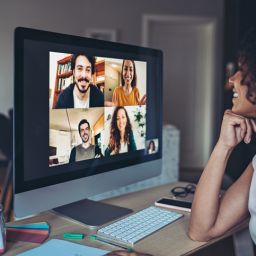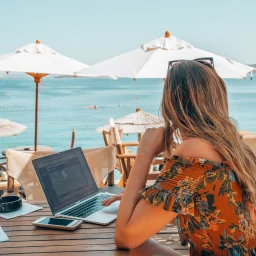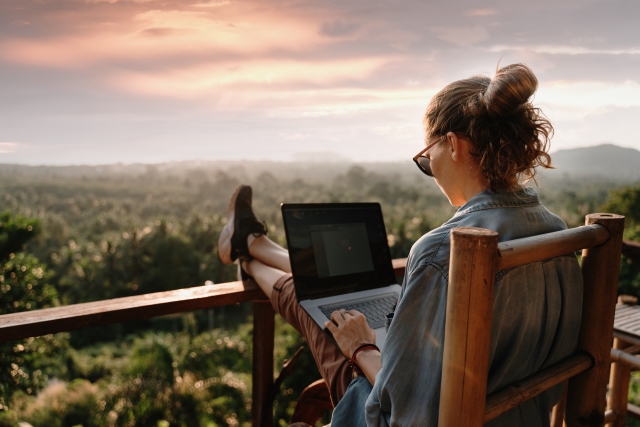
The digital nomad lifestyle is increasingly attracting professionals around the world. Working from a beach in Bali, a café in Lisbon, or a coworking space in Buenos Aires while continuing your career has become a reality, thanks to digital technologies and the rise of remote work. But becoming a digital nomad is more than just traveling it’s about combining freedom, productivity, and work-life balance.
In this article, we explore why the digital nomad lifestyle is so appealing, how to become one, essential tools, ideal destinations, and the challenges to anticipate.
What is a Digital Nomad?
A digital nomad is someone who uses digital technologies to work remotely, allowing them to travel and live in different countries without being tied to a physical office. This lifestyle is often associated with:
-
Freelancers, consultants, online entrepreneurs, or remote employees,
-
Geographic freedom,
-
Flexible management of one’s schedule.
Digital nomads can work in various sectors, including web development, graphic design, digital marketing, writing, translation, online teaching, or project management.
Why Become a Digital Nomad?
a) Freedom and Flexibility
The biggest motivation is geographic freedom. No longer limited to a single location or city, and having the ability to create your own rhythm, is a major driver for productivity and well-being.
b) Cultural Enrichment
Living in different countries allows you to discover new cultures, languages, and lifestyles. Digital nomads often develop unique intercultural skills and an open-minded perspective.
c) Professional Opportunities
Remote work enables collaboration with clients or companies worldwide, opening professional opportunities beyond local limitations.
d) Work-Life Balance
For many, digital nomadism allows better balance between professional and personal life, choosing where to live, when to work, and which experiences to prioritize.
Jobs Best Suited for Digital Nomadism
Not all jobs are compatible with the nomadic lifestyle. The most suitable include:
-
Digital Freelance: writing, translation, graphic design, photography, video editing, etc.
-
IT & Development: web, mobile, or software developer, IT project management.
-
Digital Marketing: SEO, social media management, online advertising, digital strategy.
-
Online Teaching: language courses, coaching, tutoring.
-
Online Entrepreneurship: e-commerce, SaaS, online services.
These jobs offer the flexibility to work from anywhere as long as there is a stable internet connection.
Essential Tools for Digital Nomads
To stay productive and organized remotely, certain tools are essential:
a) Communication and Collaboration
-
Slack / Microsoft Teams / Zoom: to communicate with teams and clients.
-
Trello / Asana / Notion: for project and task management.
b) Document Management and Storage
-
Google Drive / Dropbox / OneDrive: to share and store files in the cloud.
c) Productivity Tools
-
Calendly: to schedule appointments automatically.
-
Pomodoro / Toggl: to track time and manage productivity.
d) Security and VPN
-
NordVPN / ExpressVPN: to secure your internet connection and protect sensitive data.
e) Payment and Invoicing
-
PayPal / Wise / Stripe: to receive international payments easily.
Ideal Destinations for Digital Nomads
Some cities and countries are particularly attractive due to infrastructure, cost of living, and nomad communities:
a) Europe
-
Lisbon, Portugal: pleasant climate, coworking hubs, active community.
-
Berlin, Germany: entrepreneurial dynamism, rich cultural life.
-
Barcelona, Spain: sun, beaches, balanced lifestyle.
b) Asia
-
Bali, Indonesia: coworking hubs, affordable living, paradisiacal setting.
-
Chiang Mai, Thailand: large nomad community, flexible economy.
-
Ho Chi Minh City, Vietnam: business opportunities, low cost of living.
c) Latin America
-
Medellín, Colombia: pleasant climate, modern infrastructure.
-
Mexico City, Mexico: large city with cultural diversity and digital hubs.
d) Indian Ocean
-
Mauritius: stability, high quality of life, reliable internet, and services for entrepreneurs.
Challenges of the Digital Nomad Lifestyle
a) Administrative Management
Visas, insurance, taxation: each country has its rules. Some even offer specific digital nomad visas for legal work.
b) Isolation and Loneliness
Working alone can lead to loneliness. Joining local or international nomad communities is essential to create a network and maintain social balance.
c) Financial Stability
Freelance work requires proactive management of income, taxes, and insurance. Diversifying clients and revenue streams is often key.
d) Internet Connection
A stable and fast internet connection is crucial. Always check connectivity before choosing a work location.
e) Time Management
Remote work demands strong discipline. The temptation to explore or enjoy the location can hurt productivity without set routines and schedules.
How to Start as a Digital Nomad
a) Choose a compatible job or activity
Ensure your work can be done remotely and identify necessary tools and software.
b) Prepare your equipment
A powerful laptop, smartphone, VPN, external hard drive, and universal adapters are essential.
c) Set a budget
Include housing, transport, health, food, coworking, leisure, and unforeseen expenses.
d) Start locally
Before traveling across the world, test remote work in your city or a nearby country to anticipate challenges.
e) Join digital nomad communities
Platforms like Facebook, Slack, Meetup, and specialized sites allow you to meet other nomads and exchange advice and tips.
Tips for Maintaining Productivity
-
Plan your day: set work hours and clear goals.
-
Limit distractions: use coworking spaces or quiet cafés.
-
Take regular breaks: walk, meditate, or exercise to stay productive.
-
Automate repetitive tasks: invoicing, email tracking, and CRM tools.
Case Study: Marie, a Nomadic Web Developer
Marie, 28, left Paris to become a digital nomad. She works as a freelance developer and travels between Lisbon, Bali, and Medellín.
Results after 12 months:
-
Increased productivity due to flexibility,
-
Savings on housing and transport,
-
International networking and diverse projects,
-
Personal fulfillment and work-life balance.
Marie recommends: “Start with a destination where the community is active. Support from other digital nomads is essential to learn and stay motivated.”
The Future of Digital Nomadism
With the widespread adoption of remote work and digital technologies, the number of digital nomads continues to grow. Companies are adapting policies to attract talent capable of working remotely from anywhere.
Countries and cities offering dedicated visas, suitable infrastructure, and vibrant communities will become major hubs for these professionals.
The future of work will be flexible, global, and connected. Digital nomadism is no longer an unattainable dream it’s a viable career option combining freedom, cultural experience, and international professional opportunities.
Becoming a digital nomad is more than just traveling: it’s a lifestyle blending work, freedom, and discovery. With the right tools, organization, and supportive community, it’s possible to work effectively while exploring the world.
Success requires anticipating challenges (visas, taxation, internet), choosing suitable destinations, and maintaining a balance between productivity and enjoyment.
If you dream of transforming your career and life, digital nomadism offers a real opportunity for personal and professional growth.
FAQ – Digital Nomad
1. What is a digital nomad?
A digital nomad works remotely using digital technologies, allowing them to travel and live in different countries while continuing their professional activity.
2. Which jobs are compatible with digital nomadism?
Remote or digital professions: web development, graphic design, digital marketing, writing, translation, online teaching, freelancing, or online entrepreneurship.
3. What are ideal destinations for digital nomads?
-
Europe: Lisbon, Barcelona, Berlin
-
Asia: Bali, Chiang Mai, Ho Chi Minh
-
Latin America: Medellín, Mexico City
-
Indian Ocean: Mauritius
4. What tools are essential for remote work?
Communication tools (Slack, Zoom), project management (Trello, Notion), cloud storage (Google Drive, Dropbox), VPN for secure connections, and payment platforms (PayPal, Wise).
5. What are the main challenges of the digital nomad lifestyle?
Visas and taxation, social isolation, unstable internet, and self-discipline to manage time and maintain productivity.
6. How to get started as a digital nomad?
Choose a compatible job, prepare necessary equipment, set a realistic budget, test remote work locally before traveling, and join digital nomad communities for advice and networking.